
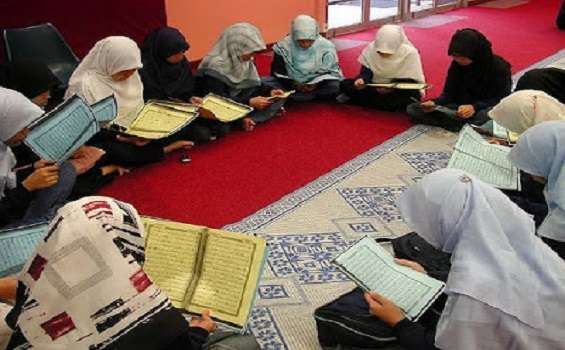
Performing the obligatory prayers in congregation (Salat al-Jama’ah) is one of the most emphasized prophetic institutions in Islam. In the Hanafi school of jurisprudence, congregational prayer is classified as an emphasized Sunnah (Sunnah Mu’akkadah) that carries a legal weight bordering on obligation (Wajib) for sane, able adult men. Abandoning the congregation habitually without a legitimate Islamic excuse is considered a severe sin. Below are the definitive Hanafi rulings governing the Imam, row alignment, and the latecomer (Masbuq).
Who is Most Qualified to Lead (Imamah)?
Leading the prayer is a position of immense sacred responsibility. Hanafi jurists establish a clear hierarchy of eligibility when selecting an Imam among equals:
- Knowledge of Prayer Jurisprudence (Al-A’lamu bis-Sunnah): The individual with the deepest understanding of the rules of Salah, purity, and rectifying errors.
- Proficiency in Quranic Recitation (Al-Aqra’): The person who recites the Holy Quran with the greatest Tajweed accuracy and beauty.
- Piety and Scrupulousness (Al-Awra’): The individual most upright in avoiding doubtful matters and sins.
- Seniority in Age (Al-Asann): The elder worshiper among candidates of identical knowledge and piety.
- Moral Uprightness and Good Character: Possessing a noble reputation among the community.
Rules of Row Alignment (Taswiyat as-Sufuf)
Straightening the rows and closing gaps is an essential duty in congregational worship. The Prophet (PBUH) commanded: “Straighten your rows, for straightening the rows is part of the perfection of prayer.”
- Shoulder-to-Shoulder Alignment: Worshipers must stand shoulder to shoulder, with ankles aligned along a straight horizontal plane.
- Filling Rows Sequentially: The first row must be filled completely before initiating a second row. The Imam should stand centrally, with worshipers balancing the row equally to his right and left.
- Order of Rows: Adult men occupy the front rows, followed by young boys, followed by female congregants in the rear (when separate facilities exist).
- Individual Followers: If only one follower is praying behind the Imam, he must stand to the right of the Imam, aligned such that his toes are slightly behind the Imam’s heels. It is disliked for a single follower to stand directly behind or to the left of the Imam.
Recitation Behind the Imam: The Distinctive Hanafi Ruling
One of the most defining positions of Hanafi jurisprudence is that the follower (Muqtadi) does not recite any Quran behind the Imam—neither Surah al-Fatihah nor an additional Surah—whether the prayer is recited audibly (Jahri) or inaudibly (Sirri). This ruling is grounded in the Quranic command: “When the Quran is recited, listen to it and be silent so that you may receive mercy.” (Surah al-A’raf, 7:204), and the explicit Hadith: “Whoever has an Imam, the recitation of the Imam is recitation for him.” (Ibn Majah). The follower recites only the Thana (opening praise) silently, the Takbeerat of movement, the Tasbeeh in Ruku’ and Sujud, the Tahmeed (Rabbana lakal-hamd), the Tashahhud, Salawat, and final Duas.
Rules for the Latecomer (Masbuq)
A latecomer who joins the prayer after the Imam has already completed one or more Rak’ahs is legally termed a Masbuq. Joining the congregation properly requires adherence to precise steps:
1. Catching a Rak’ah
A follower legally catches a Rak’ah if they join the Imam while the Imam is in the bowing posture (Ruku’) before the Imam begins to rise. The follower must utter the opening Takbeer standing upright, pause briefly, and then descend into Ruku’. If they join after the Imam has risen from Ruku’, they have missed that Rak’ah.
2. The Method of Completing Missed Rak’ahs
The fundamental Hanafi principle for completing missed prayer is: In terms of recitation, the Masbuq makes up the beginning of their prayer; in terms of sitting, they are at the end of their prayer.
The practical procedure is executed as follows:
- The latecomer sits with the Imam in the final sitting, recites the Tashahhud only, and remains silent without reciting the Salawat or Duas.
- When the Imam turns his head to both sides and completes the final Salam, the Masbuq does not say Salam. Instead, they stand up saying “Allahu Akbar” to complete their missed Rak’ahs.
- If Missing One Rak’ah: Rise, recite Thana, Ta’awwudh, Basmalah, Surah al-Fatihah, and an additional Surah. Perform Ruku’ and Sujud, sit for the final sitting, recite Tashahhud, Salawat, Duas, and complete the prayer with Salam.
- If Missing Two Rak’ahs in a Four-Rak’ah Prayer: Rise, recite Fatihah and a Surah in both remaining Rak’ahs. After the first made-up Rak’ah, you do not sit (because it is effectively your third overall Rak’ah). Complete both Rak’ahs, perform the final sitting, and say Salam.
- If Missing Three Rak’ahs (e.g., in Dhuhr, Asr, or Isha): Rise, recite Fatihah and a Surah, perform Ruku’ and Sujud, and sit for the first sitting to recite Tashahhud (because this represents your second Rak’ah combined with the one caught with the Imam). Rise for the next Rak’ah, recite Fatihah and a Surah, perform Ruku’ and Sujud. Rise for the final Rak’ah, recite only Surah al-Fatihah, perform Ruku’ and Sujud, sit for the final sitting, and complete the prayer.
Conclusion
Congregational prayer binds the hearts of Muslims, fosters brotherhood, and multiplies divine rewards twenty-seven fold. Mastering the jurisprudence of the Imam and the Masbuq ensures our collective worship remains dignified, orderly, and legally flawless.

