
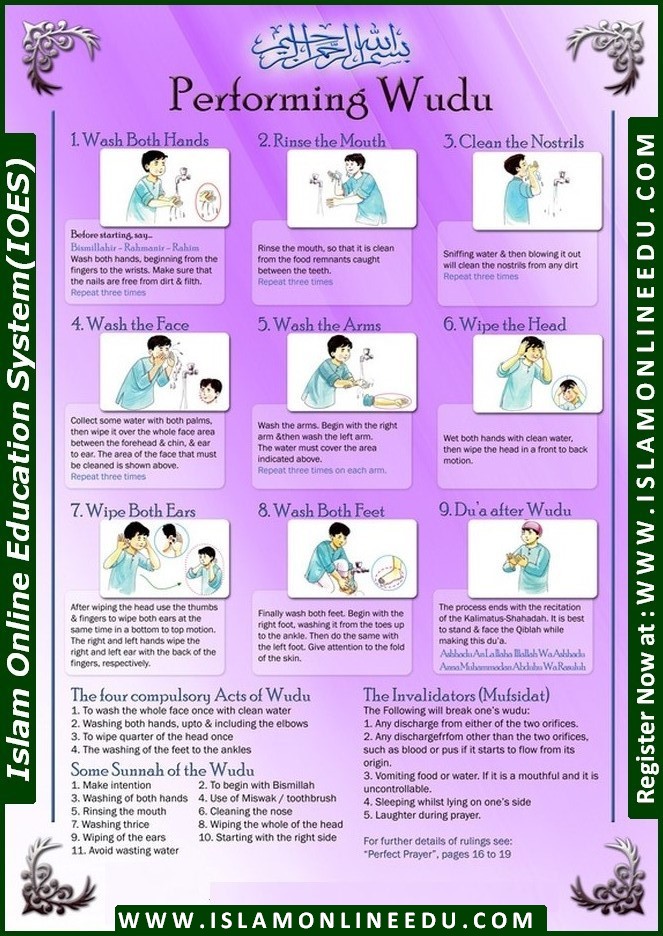
Wiping over leather socks, known in Islamic jurisprudence as Masah ‘ala al-Khuffayn, is an established Sunnah affirmed by numerous mutawatir (mass-transmitted) Hadiths. Imam Abu Hanifah famously noted that one cannot be considered among the Ahl al-Sunnah wal-Jama’ah until they accept the validity of Masah over the Khuffayn. This Shariah dispensation offers immense comfort, especially during severe winter seasons or lengthy travels. Below are the definitive legal rulings governing this practice in Hanafi Fiqh.
Essential Conditions for the Validity of Masah
For wiping over the socks to legally substitute for washing the bare feet during minor ablution (Wudu), several strict conditions must be satisfied:
- 1. Wearing the Socks in a State of Complete Purity: A person must perform a complete Wudu, including thoroughly washing both feet, before donning the socks. If one wears them while in a state of minor or major impurity, wiping over them is completely invalid.
- 2. Covering the Mandatory Washing Area: The socks must be tall enough to cover the entire foot up to and including the ankles. Any sock that sits below the ankle bone does not qualify.
- 3. Durability for Walking: The socks must be sufficiently durable that a person can walk in them continuously for one Shar’i league (approximately three miles or five kilometers) without tearing.
- 4. Water Resistance: The material must be impermeable enough to prevent water from penetrating through to the foot during the brief wiping action.
- 5. Remaining Upright on the Leg: The socks must stay upright on the shins without needing to be tied with strings or elastic bands (as is customary with firm leather footgear).
- 6. Free from Substantial Tears: The sock must not have a tear equivalent to the size of three small toes combined. If a single tear exposes the area of three toes, or if multiple small tears across one sock add up to three toes, Masah is invalid. However, small tears below this threshold do not disqualify the sock.
Legal Duration of Masah
The Shariah distinguishes between a resident (Muqim) and a traveler (Musafir) regarding how long they may continue wiping over their Khuffayn without removing them:
- For the Resident (Muqim): One full day and night (24 continuous hours).
- For the Traveler (Musafir): Three full days and nights (72 continuous hours).
Crucial Rule on the Commencement of the Time: The legal countdown does not begin from the moment the socks are put on, nor does it begin from the moment the initial Wudu was performed. Instead, the timer begins precisely from the first instance the person breaks their Wudu (Hadath) after having put on the socks. For example, if someone performs Wudu at 6:00 AM, puts on the Khuffayn, and maintains their purity until breaking Wudu at 1:00 PM, their 24-hour allowance begins at 1:00 PM and concludes at 1:00 PM the following day.
The Sunnah Method of Wiping
The correct method of wiping is established by authentic prophetic practice:
- Moisten the fingers of both hands with fresh, clean water.
- Place the wet fingers of the right hand on the upper surface of the right foot, starting at the tips of the toes. Concurrently, place the left wet hand upon the left foot.
- Draw the fingers upward in parallel lines toward the ankle along the top of the foot once.
- The minimum obligatory area for wiping is equivalent to the width of three small fingers along the top surface of the sock. Wiping the soles or heels of the socks is contrary to the Sunnah and holds no legal validity.
Nullifiers of Masah
Wiping over the Khuffayn is invalidated by four distinct factors:
- All Causes That Nullify Wudu: Anything that breaks normal ablution invalidates the purity, requiring the person to perform a new Wudu and wipe the socks again (provided their allowed time has not elapsed).
- The Occurrence of Major Impurity (Janabah): If an event requiring a full ritual bath (Ghusl) occurs, Masah is immediately terminated. The socks must be removed and the entire body, including the feet, washed.
- The Expiration of the Permissible Duration: Once the 24 hours (for a resident) or 72 hours (for a traveler) expire, the Masah terminates. If the person is still in a state of Wudu when the time expires, they only need to remove the socks and wash their bare feet; a full repeat of Wudu is not required.
- Removing the Sock or Exposing Most of the Foot: If one or both socks are taken off, or if the foot slips out of the heel area such that the majority of the foot is exposed, the Masah is broken. The individual must wash both bare feet.
Modern Thick Socks (Jawrabayn)
Contemporary Hanafi scholars affirm that modern fabric or synthetic socks are eligible for Masah only if they possess the identical legal characteristics of leather Khuffayn: extreme thickness, water impermeability, ability to stand upright independently, and durability for sustained walking. Standard cotton, wool, or nylon dress socks fail these criteria; wiping over them is invalid in the Hanafi madhhab.
Conclusion
Utilizing the concession of Masah over the Khuffayn exemplifies the practical balance of Islamic law. Adhering to the verified conditions preserves the validity of prayer while easing daily worship.

